Enroll in a Degree Program Now
Get a Laptop
Apply Now
Learn About Our Programs
Learn About Our Programs
Achieve More with UA Grantham
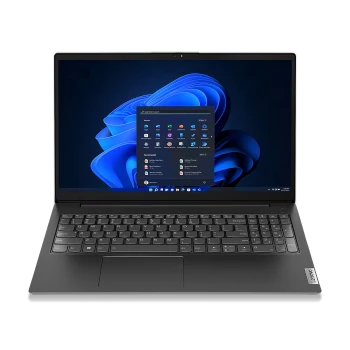
University of Arkansas Grantham has always been committed to giving you MORE. More resources. More support. More of EVERYTHING you need to earn your degree and achieve your goals.
And when you enroll in a degree program, you'll get a new laptop after starting classes — on us! It's your new laptop, with all you need to earn your online degree. It's just one more way we're more dedicated to your success. This is your time to achieve more with the University of Arkansas Grantham.
INFORMATION FOR

Military Students
We understand our nation's heroes have demanding lifestyles, which is why we offer an affordable, top-tier education through a flexible and convenient online format that accommodates your schedule.

Transfer Students
We ensure a seamless transition for our transfer students. Through our transfer credit policy, we evaluate academic experience, military experience, and prior learning, as well as professional licenses, certificates and training programs for college credit.

New Students
We offer first-time college students more resources, more support, more of everything they need to succeed in their studies. At UA Grantham, you can expect a high-quality online education that’s flexible, accessible and affordable.
Online Programs Built to Your Aspirations
Online degree programs offer life changing opportunities to busy adults who don’t have the time or flexibility for in-person classes at brick-and-mortar institutions. Through online programs, you can access top-tier instruction, cutting-edge resources, a network of like-minded learners, and professional opportunities—from anywhere in the world, at any time of day. UA Grantham’s online degree programs offer comprehensive skill development for in-demand roles in exciting fields including healthcare, information technology, criminal justice, and business management. Whether you are looking to break into a new industry or level up to a higher impact position in your current organization, an online degree can open new doors, set you apart from the crowd, and equip you with the advanced skills you need to excel in your chosen field.
What sets UA Grantham’s online degree programs apart? Our programs are tailored to you. With decades of experience helping adult learners achieve their dreams, we’ve learned how to provide support and flexibility in the ways that matter. Within each degree program, you are exposed to a range of classes that make for a learning experience that is unique to your interests and goals. Our eight-week courses are designed to be manageable, and each completed course provides a sense of accomplishment as students progress steadily toward their degree. Our asynchronous learning model allows you to create your own schedule – that way you can engage with course materials, connect with your instructor, and complete assignments when it works best for you. And our student advisors will be with you every step of the way to help you navigate challenges, set priorities, and make the most of the opportunities your online degree program offers you.